
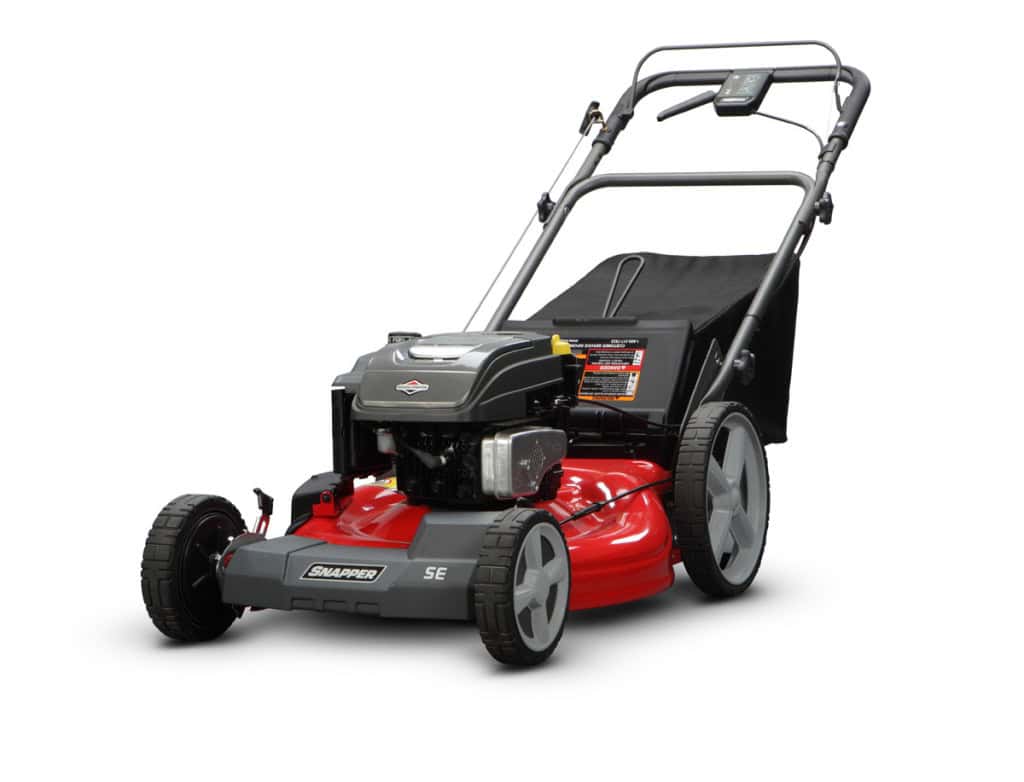
Denver mower recycling has become an essential topic for homeowners as the Mile High City moves toward more sustainable, quiet, and eco-friendly landscaping practices. While the shift from gas-powered machines to electric models has significantly reduced local emissions and noise pollution, even the most reliable electric mowers eventually reach the end of their lifecycle. Navigating the proper disposal of these machines is not just a matter of convenience; it is a critical safety and environmental responsibility for every Colorado resident.
The Evolution of Lawn Care in the Mile High City
Historically, Denver’s residential landscape was dominated by loud, heavy, gas-guzzling mowers that contributed to the infamous brown cloud. As environmental awareness grew and battery technology advanced, the shift to electric equipment gained massive momentum. Today, many neighborhoods in areas like Wash Park, Highlands, and Cherry Creek are significantly quieter on Saturday mornings. However, the first generation of high-powered electric mowers is now hitting the ten-to-fifteen-year mark, leading to a surge in the need for responsible disposal methods.
Retiring an electric mower is fundamentally different from getting rid of a gas model. While a gas mower requires draining oil and fuel, an electric mower involves complex electronics and high-capacity batteries that cannot simply be tossed into a standard trash bin. Understanding the technical nuances of these machines helps homeowners appreciate why specialized recycling is necessary.
Why Electric Mower Disposal Requires a Specialized Approach
When you look at an electric mower, you are essentially looking at a piece of heavy-duty consumer electronics. Unlike older mechanical tools, these machines contain printed circuit boards, copper wiring, and permanent magnet motors. The most critical component, however, is the power source. Whether your mower uses a lead-acid battery or a modern lithium-ion pack, these materials are classified as hazardous waste when they enter the waste stream improperly.
Improperly discarded batteries are a leading cause of fires in waste collection trucks and processing facilities. When a lithium-ion battery is crushed or punctured during the trash compaction process, it can undergo thermal runaway, leading to intense fires that are extremely difficult to extinguish. By choosing dedicated electric lawn mower disposal routes, you protect the workers who keep Denver clean and prevent toxic heavy metals from leaching into our local soil and groundwater.
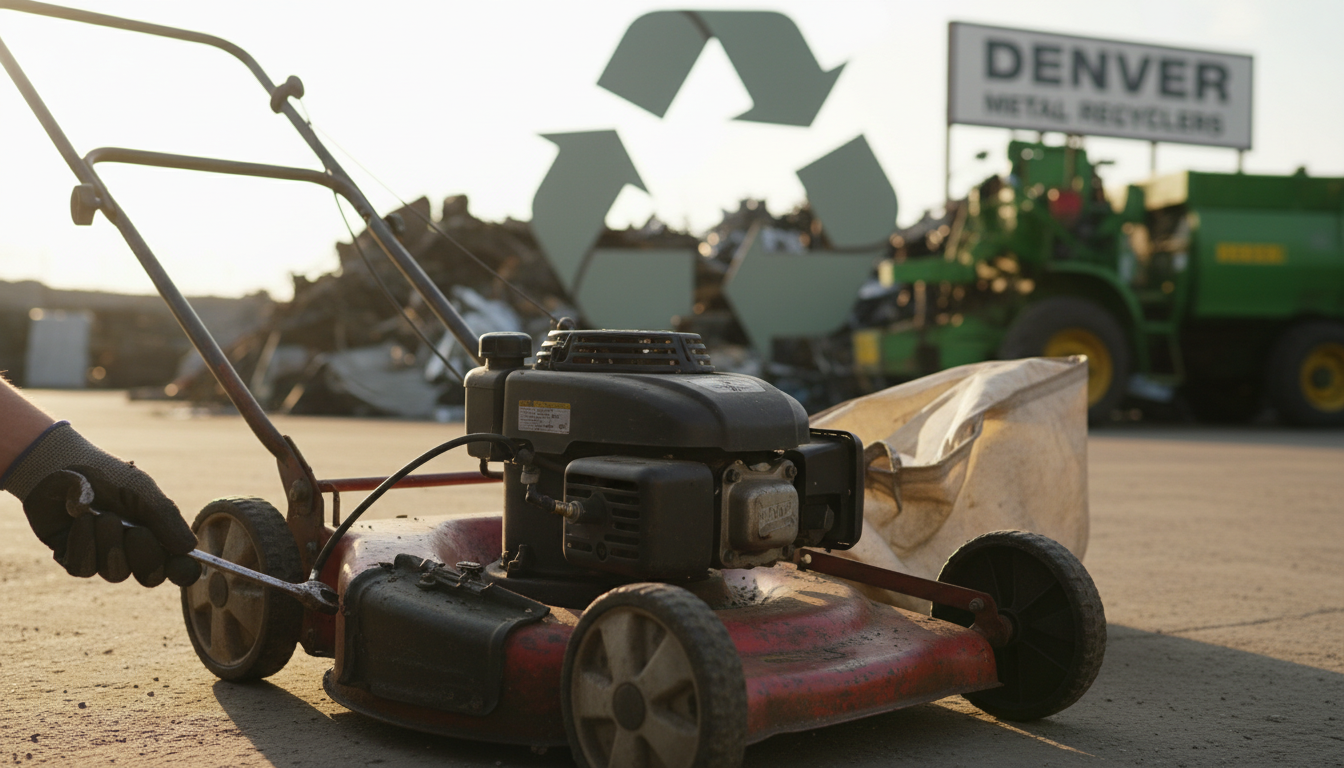
Understanding Denver’s Environmental Regulations
Colorado has some of the most progressive environmental protection laws in the country regarding electronic waste. The Colorado Department of Public Health and Environment (CDPHE) oversees strict guidelines to ensure that toxic components do not end up in landfills. According to the Denver Department of Transportation and Infrastructure, electronic waste—which includes the circuitry and batteries found in mowers—is prohibited from curbside trash collection.
Violating these regulations can lead to fines, but more importantly, it hampers the city’s goal of achieving a circular economy. In Denver, we pride ourselves on our proximity to nature. Ensuring that our yard tools are recycled properly is an extension of that outdoor-focused ethos. Local recycling centers are equipped to strip these machines down to their core components, salvaging steel, copper, and plastic for reuse in new products.
How to Dispose Battery Mower Colorado: A Step-by-Step Guide
If you are wondering how to dispose a battery mower in Colorado residents should follow a specific protocol to ensure safety. The process begins with identifying the type of battery your mower utilizes. Older cordless models often used sealed lead-acid (SLA) batteries, which are heavy and contain toxic lead. Modern cordless mowers almost exclusively use lithium-ion (Li-ion) technology, which offers higher energy density but requires even more careful handling.
- Remove the Battery: Always start by removing the battery pack from the mower. If the battery is integrated and not user-removable, the entire unit must be treated as specialized e-waste.
- Insulate Terminals: Use clear packing tape or electrical tape to cover the metal contact points on the battery. This prevents accidental short-circuiting during transport.
- Clean the Deck: Remove dried grass clippings and debris from the mower deck. While the recycling center handles the metal, excess organic waste can complicate the industrial shredding process.
- Locate a Certified Facility: Do not take the mower to a standard scrap yard unless they explicitly state they accept e-waste with batteries.
Identifying When to Repair vs. When to Recycle
Before committing to Denver mower recycling, it is worth evaluating if the machine can be salvaged. Often, what seems like a dead motor is actually a simple fuse issue or a degraded battery. In many cases, purchasing a replacement battery is all that is needed to get another five years of life out of the tool. If the deck is cracked or the motor has suffered a catastrophic failure (such as a burnt-out winding), recycling is the best path forward.
For those who find that maintaining their own equipment is becoming a burden, there are better alternatives. Instead of dealing with the eventual decay of expensive battery-powered tools, many Denverites are turning to professional tools and equipment rentals. Renting ensures you always have access to the latest, most efficient technology without the long-term headache of storage and disposal.
Technical Deep Dive: The Anatomy of an Electric Mower
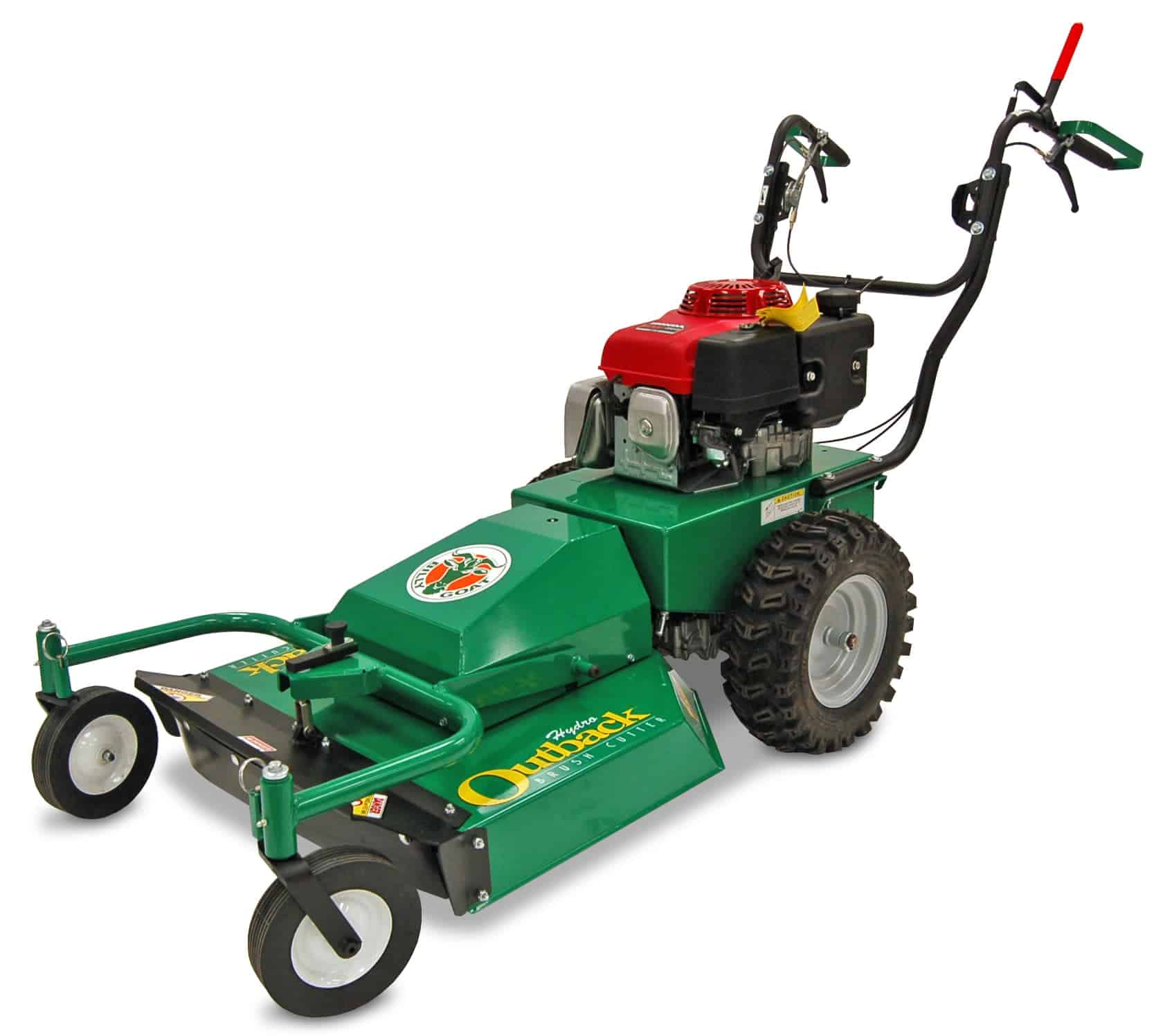
To understand why these machines are difficult to recycle, we must look at their internal components. A modern electric mower consists of a brushless DC (BLDC) motor, an electronic speed controller (ESC), and a sophisticated Battery Management System (BMS). The BLDC motor contains rare earth magnets, such as neodymium, which are highly valuable and energy-intensive to mine. Recycling these magnets helps reduce the environmental impact of future tech production.
The ESC contains various capacitors and semiconductors that contain trace amounts of silver and gold, but also potentially hazardous flame retardants in the plastic housing. The BMS is a circuit board that monitors the voltage and temperature of the battery cells. These boards contain lead solder (in older models) or other heavy metals that require chemical processing to safely break down. This complexity is why a standard metal scrapper cannot handle an electric mower in the same way they would a simple iron fence.
Safety Hazards: Dealing with Swollen or Damaged Batteries
If your mower has been sitting in a hot Colorado garage or a damp shed, the battery may show signs of damage. A “swollen” or “pillowed” battery is a major red flag. This indicates that gas has built up inside the cells due to chemical degradation. Never attempt to force a swollen battery back into a charger or into the mower. Furthermore, if the casing is cracked and you smell a sweet, metallic odor, the battery is leaking electrolyte.
In these cases, standard electric lawn mower disposal procedures are insufficient. You should place the damaged battery in a bucket of dry sand and contact a hazardous waste specialist immediately. Many Denver-area fire departments or specialized HHW (Household Hazardous Waste) facilities have specific bins for compromised lithium cells. Safety should always take precedence over convenience.
The Role of Local Businesses in Sustainable Landscaping
Denver’s transition to green yard care is supported by local experts who understand the unique challenges of our climate. For example, as a premier local STIHL dealer, All Seasons Rent-All provides insights into high-performance electric gear that is built to last longer than budget-friendly big-box store alternatives. Choosing high-quality equipment from the start reduces the frequency of disposal and ensures that replacement parts are readily available.
When businesses offer both sales and rentals, they contribute to a more sustainable cycle. Rentals, in particular, maximize the utility of a single machine across dozens of households, significantly lowering the total carbon footprint and waste generated per lawn mowed in the Denver metro area.
Community Resources for Mower Recycling in Denver
Several locations throughout the Denver metro area offer dedicated programs for recycling small engines and electronic yard tools. The Rooney Road Recycling Center in Golden is a primary resource for residents in the western suburbs, while the Denver Household Hazardous Waste Collection Program offers door-to-door pickup for a small co-pay for eligible residents. Additionally, many retail locations participate in the Call2Recycle program, which focuses specifically on the battery components.
Always call ahead before transporting your mower. Some facilities will accept the mower for free if the battery is removed, while others may charge a small environmental fee to process the electronics. Keeping these machines out of our alleys and dumpsters is a collective effort that maintains the beauty and safety of our community.
The Future of Lawn Care: Beyond the Battery Mower
As we look forward, the technology for maintaining Denver’s landscapes continues to evolve. We are seeing the rise of robotic mowers and even more efficient solid-state battery technology. However, the most sustainable yard is often one that requires less intervention. Xeriscaping, which utilizes native, drought-resistant plants, is becoming increasingly popular in Colorado. These yards require fewer passes with a mower, whether gas or electric, further reducing the cycle of equipment turnover.
Regardless of the type of landscape you maintain, having the right tool for the job is paramount. Whether you are performing a seasonal overhaul or routine maintenance, the ability to rent specialized equipment means you don’t have to worry about the long-term disposal of niche tools that you might only use once or twice a year. This “sharing economy” model is the ultimate goal of Denver’s green transition.
In conclusion, retiring your old electric mower is a significant step in the lifecycle of a responsible homeowner. By prioritizing Denver mower recycling and understanding the technical requirements of electric lawn mower disposal, you contribute to a cleaner, safer Front Range. Remember that your old machine contains valuable materials that can be reborn into the next generation of sustainable technology. If you find yourself overwhelmed by the maintenance or disposal of yard equipment, remember that experts are available to help. Whether you are looking for advice on the best new electric models or need to rent a specific tool for a weekend project, local resources are your best ally. For all your equipment needs and expert advice on maintaining a beautiful Colorado yard, contact All Seasons Rent-All today.