Denver Lawn-to-Xeriscape: A Step-by-Step DIY Transformation Guide
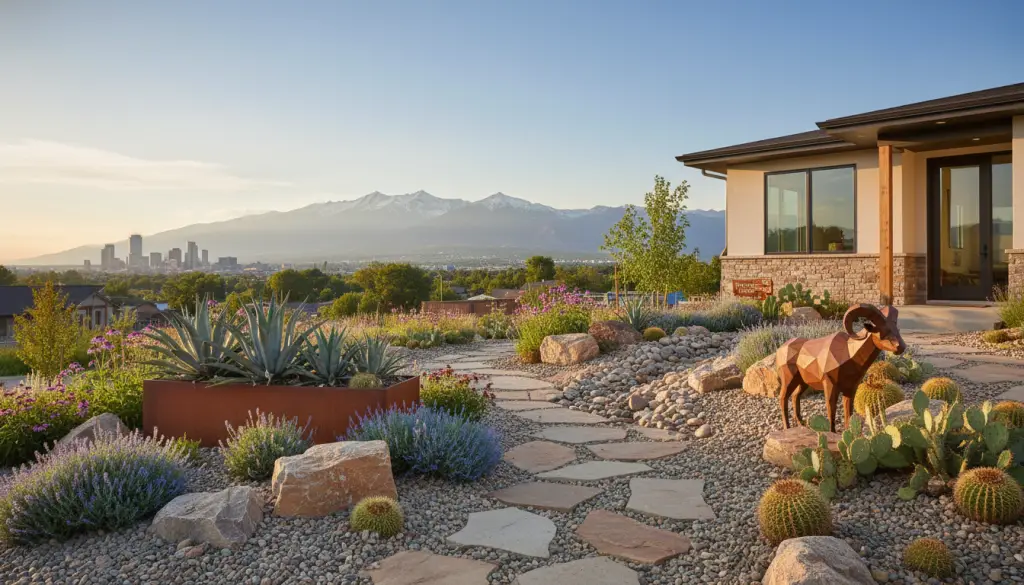
Denver xeriscaping is no longer just a luxury for the eco-conscious; it is a fundamental shift in how Colorado homeowners manage their outdoor spaces in an increasingly arid climate. For decades, the standard for a beautiful home in the Mile High City was a lush, emerald-green Kentucky Bluegrass lawn. However, as water prices rise and Denver remains firmly situated in a semi-arid high plains environment, that paradigm is shifting toward drought-tolerant landscaping Colorado residents can actually maintain. Converting your water-thirsty lawn into a vibrant, low-maintenance xeriscape is a significant undertaking, but with the right planning and professional-grade lawn removal equipment, the transition can be managed as a rewarding DIY project. This guide provides a comprehensive roadmap for transforming your yard into a resilient oasis that celebrates the natural beauty of the Front Range.
The Economic and Ecological Case for Denver Xeriscaping
The motivation for transitioning to xeriscaping in Denver often begins with the monthly utility bill. Traditional turf grass requires roughly 18 to 22 gallons of water per square foot each growing season to remain healthy in Colorado’s intense sun. In contrast, a well-designed xeriscape can reduce outdoor water consumption by 50% to 75%. Beyond the financial savings, xeriscaping addresses critical ecological needs. By utilizing native plants, homeowners create essential habitats for local pollinators, including bees, butterflies, and hummingbirds that are often displaced by monoculture lawns. Furthermore, xeriscaping reduces the need for chemical fertilizers and pesticides, which often leach into the local watershed during heavy spring storms.
Understanding the Seven Pillars of Xeriscape Design
The term ‘xeriscape’ was actually coined by Denver Water in 1981, and it is built upon seven core principles that ensure a successful transformation. Understanding these pillars is essential before you break ground. First is ‘Planning and Design,’ which involves mapping out your yard’s sun exposure and drainage patterns. Second is ‘Soil Improvement,’ recognizing that Denver’s heavy clay or sandy soils often need organic amendments. Third is ‘Efficient Irrigation,’ moving away from broad sprayers toward precision drip systems. Fourth is ‘Plant Selection,’ focusing on species that thrive in our specific USDA zones (typically 5b to 6a). Fifth is ‘Mulching,’ which protects soil moisture. Sixth is ‘Limited Turf Areas,’ where grass is kept only for functional use. Finally, ‘Maintenance’ ensures the landscape matures beautifully over time.
Assessing Your Landscape: The Denver Soil Challenge
Before you begin the physical labor, you must understand what lies beneath your grass. Denver soil is notorious for being either heavy, alkaline clay or overly porous sand. A simple DIY test is the ‘Ribbon Test’: take a handful of moist soil and squeeze it. If it forms a long, unbroken ribbon, you have high clay content, which can lead to poor drainage and root rot for many drought-tolerant species. For these areas, adding high-quality compost or squeegee (fine gravel) is necessary to improve aeration. Understanding your soil’s pH is also vital; since Colorado soils are naturally alkaline, you will want to select plants that are ‘lime-tolerant’ or ‘calciphiles’ to ensure they don’t suffer from nutrient deficiencies.
The Role of Hydrozoning
Hydrozoning is the practice of grouping plants together based on their specific water requirements. In a Denver xeriscape, you might have a ‘Very Low Water’ zone near the street or on south-facing slopes, featuring species like Rabbitbrush or Blue Grama grass. Closer to the house or in shaded areas, you might have a ‘Moderate Water’ zone for perennials like Coral Bells or Hostas. This strategic grouping ensures that you are never overwatering a desert plant or underwatering a thirsty shrub, maximizing the efficiency of every drop.
Essential Lawn Removal Equipment for the DIYer
One of the biggest hurdles in a lawn transformation is the physical removal of the existing sod. Trying to do this with a manual spade is an exercise in futility for anything larger than a postage-stamp-sized yard. To achieve professional results, you need high-quality lawn removal equipment. A motorized sod cutter is the most efficient tool for this job. It allows you to strip the grass at a uniform depth, typically between 1.5 to 2 inches, which removes the root system and the thatch layer without destroying the underlying soil structure. For larger projects where you are also regrading the land or moving heavy boulders, you might consider a skid steer comparison to determine if a Bobcat S70 or S570 is appropriate for your property’s access points.
Step 1: Mapping and Design for Colorado Zones
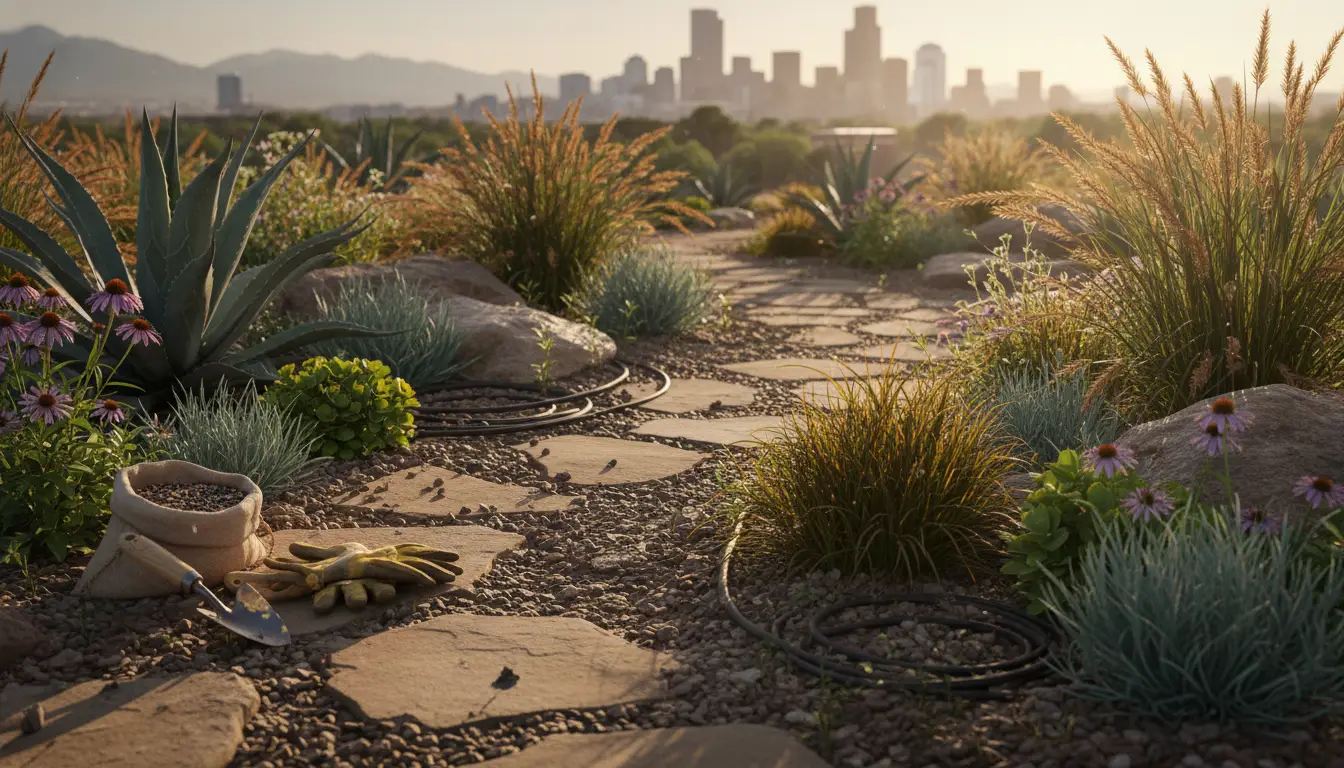
Every successful xeriscape begins with a detailed site map. Use a tape measure to record the dimensions of your property, noting the location of existing trees, underground utility lines, and downspouts. In Denver, the ‘heat island effect’ means that areas near asphalt driveways or south-facing brick walls will be significantly hotter than the rest of the yard. Mark these ‘microclimates’ on your map. Your design should balance hardscaping (rocks, paths, and patios) with softscaping (plants and mulch). Aim for a ratio that minimizes open soil, as bare dirt in Colorado quickly becomes a breeding ground for invasive weeds like bindweed or goathead.
Step 2: The Physical Removal Process
Once your design is set, it’s time for the demolition phase. There are three primary ways to remove a lawn in Denver: physical removal, solarization, or sheet mulching. Physical removal using a rented sod cutter is the fastest method, allowing you to plant immediately. Solarization involves covering the lawn with clear plastic for 6-8 weeks during the peak of summer, effectively ‘cooking’ the grass and weed seeds. Sheet mulching (or ‘lasagna gardening’) involves layering cardboard and compost over the grass to kill it slowly while building soil health. For most DIYers, the speed and efficiency of a sod cutter make it the preferred choice, especially when working with the high-performance equipment available at All Seasons Rent-All.
Step 3: Optimizing Your Irrigation Strategy
Converting a sprinkler system from overhead spray to drip irrigation is a critical step in a xeriscape project. Traditional pop-up heads lose a significant amount of water to evaporation and wind drift—common issues in the breezy Denver suburbs. Drip irrigation delivers water directly to the root zone of each plant, virtually eliminating waste. When retrofitting your system, you will need a pressure regulator and a high-quality filter to prevent the small emitters from clogging with sediment. It is also wise to consult Denver Water’s xeriscape resources to see if your new design qualifies for current rebates, which can often offset the cost of new irrigation components.
Step 4: Selecting the Best Drought-Tolerant Landscaping Colorado
Choosing the right plants is the most creative and enjoyable part of the process. In Denver, you want ‘Plant Select’ varieties, which are specifically vetted for the Rocky Mountain region. For structural interest, consider the Apache Plume (Fallugia paradoxa) with its feathery seed heads, or the Fernbush (Chamaebatiaria millefolium), which offers aromatic foliage and white summer blooms. For groundcovers, the ‘Dragon’s Blood’ Sedum or Turkish Speedwell provides a lush look with minimal water. If you desire a grass-like appearance without the maintenance, Blue Grama (Bouteloua gracilis) is a Colorado native that can be left tall for a meadow look or mowed twice a year for a more traditional aesthetic.
Recommended Perennials for Denver Yards
- Rocky Mountain Penstemon: Deep blue flowers that attract bees.
- Chocolate Flower: Smells like cocoa in the morning sun.
- Blanket Flower (Gaillardia): Extremely hardy with vibrant red and yellow blooms.
- Russian Sage: A tall, airy plant that thrives in poor soil and intense heat.
- Ice Plant: A succulent groundcover that offers neon-bright flowers and thrives in rock gardens.
Step 5: Hardscaping and Mulch Application
Hardscaping provides the ‘bones’ of your garden. In a Denver xeriscape, this often includes the use of local flagstone, breeze (crushed stone), or decorative river rock. Hardscaping elements help define paths and seating areas, making the garden navigable. Once the plants are in the ground, mulching is the final, non-negotiable step. In Colorado, a 3-to-4-inch layer of mulch is recommended to suppress weeds and maintain soil moisture. Wood mulch (like cedar or shredded bark) is excellent for perennial beds as it adds organic matter to the soil as it decomposes. For areas with high wind exposure, rock mulch or ‘pea gravel’ is often more stable, though it can contribute to higher ground temperatures if not shaded by plants.
Avoiding Common Pitfalls in Denver Landscape Conversions
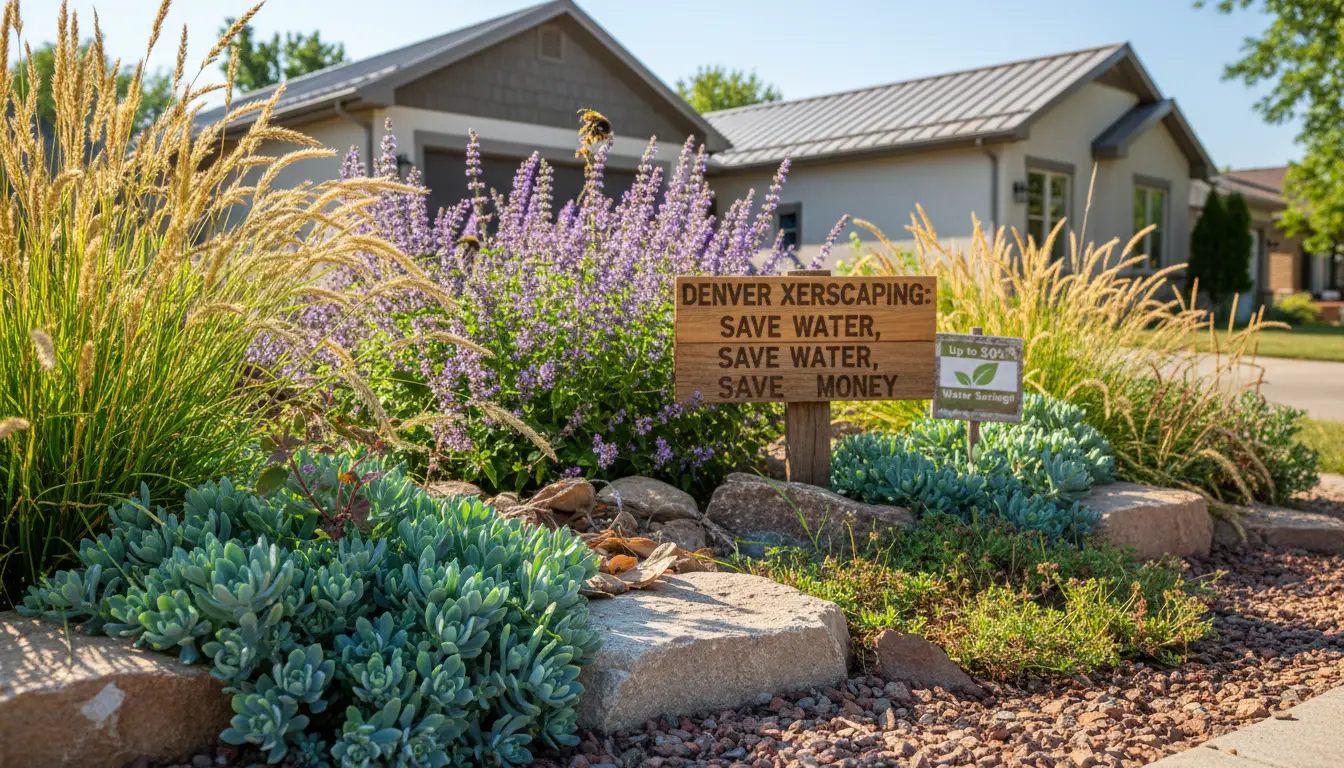
Many DIYers fall into the trap of ‘zero-scaping’—simply removing grass and replacing it with a sea of rocks. This is not xeriscaping. Rock-only landscapes contribute to the heat island effect and do nothing for local biodiversity. Another common mistake is failing to address weed control before mulching. Persistent weeds like Canada Thistle can push through thick layers of rock and mulch if the root systems aren’t properly managed during the removal phase. Finally, remember that ‘low water’ does not mean ‘no water.’ Even the hardiest Colorado natives need regular watering during their first two to three years as they establish their deep root systems.
The Financial Side: Rebates and Long-Term Savings
The initial investment in a xeriscape can be higher than simply keeping a lawn, primarily due to the cost of plants and hardscape materials. However, Denver Water often offers substantial rebates for residents who replace a certain percentage of their turf with water-wise gardens. These programs are designed to incentivize the removal of non-functional grass. Additionally, when you factor in the reduced need for professional lawn care services, fertilizers, and the significant drop in water bills, most xeriscapes pay for themselves within five to seven years. Furthermore, a professionally finished xeriscape can significantly increase a home’s curb appeal and market value in the Colorado real estate market.
Long-term Maintenance and Care
While xeriscapes are ‘low maintenance,’ they are not ‘no maintenance.’ The primary tasks include seasonal pruning, checking irrigation emitters for clogs, and light weeding. Many drought-tolerant plants should be left standing through the winter to provide interest and food for birds, then cut back in late February or early March before new growth begins. Over time, as your plants mature and ‘fill in’ the space, the need for weeding will decrease naturally as the plant canopy shades out potential weed seeds. It is a dynamic, living system that evolves and becomes more beautiful each year.
In conclusion, transforming a traditional Denver lawn into a thriving xeriscape is a powerful way to harmonize your home with the natural Colorado environment. While the process requires careful planning, from analyzing soil composition to selecting the perfect drought-tolerant species, the results are deeply rewarding. By using the right lawn removal equipment and following the seven principles of xeriscaping, you can create a landscape that is not only beautiful and water-efficient but also a haven for local wildlife.
This DIY journey is an investment in the future of our region’s water resources and the long-term value of your property. Whether you are starting with a small patch of grass or a sprawling yard, every square foot converted to xeriscape makes a tangible difference. For all the tools, machinery, and expert advice you need to tackle this project with confidence, contact All Seasons Rent-All today and let us help you build the sustainable landscape of your dreams.